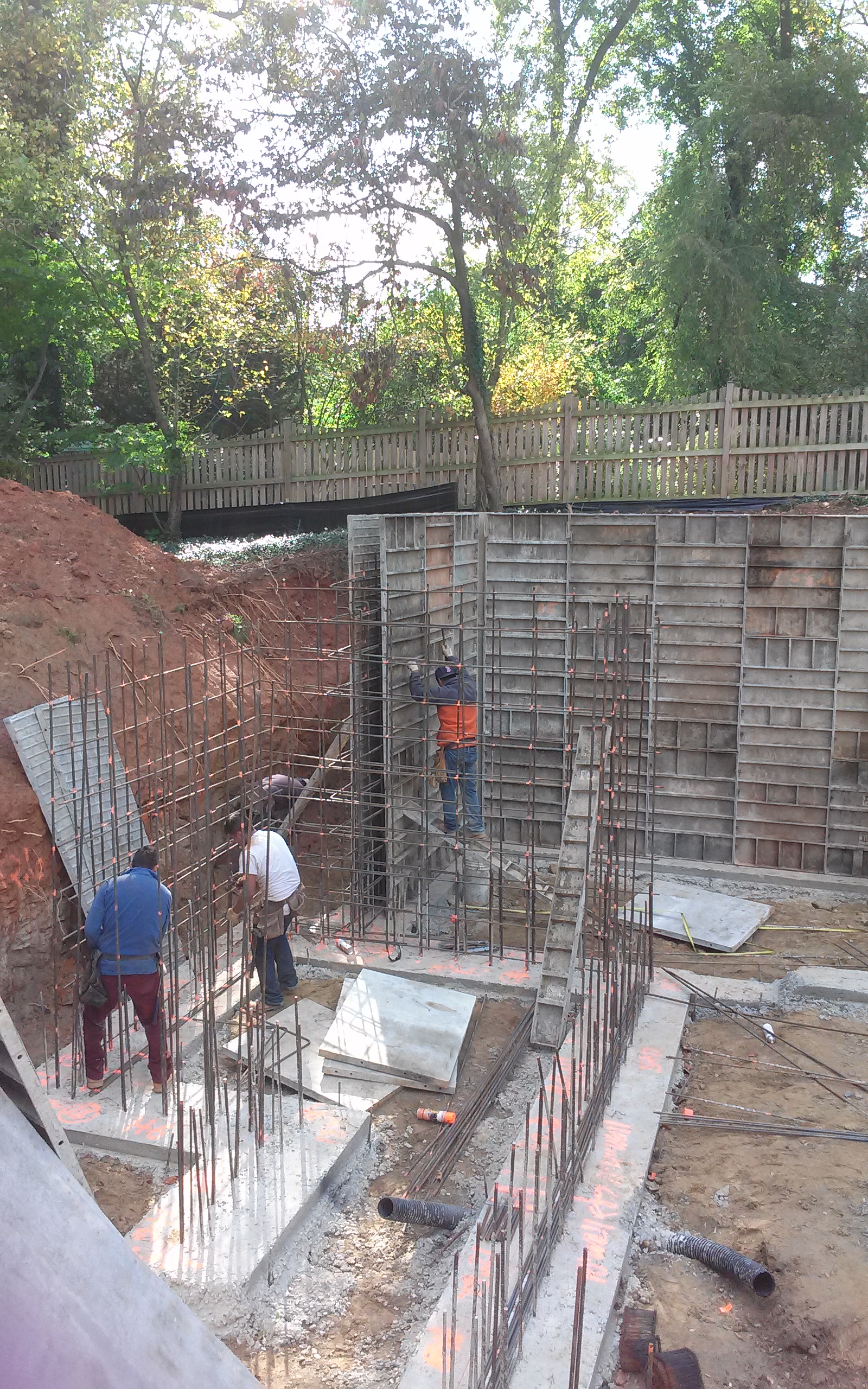
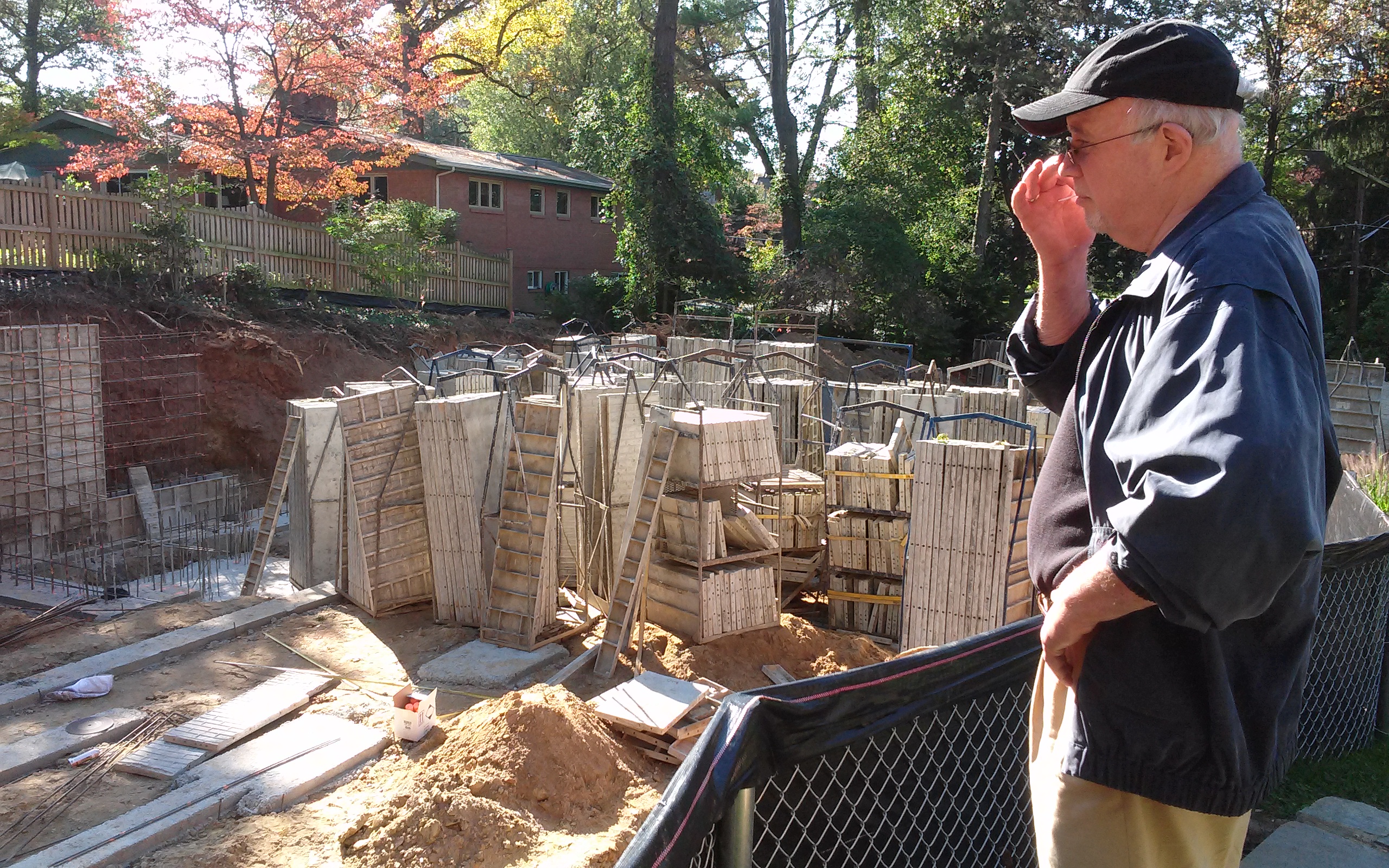
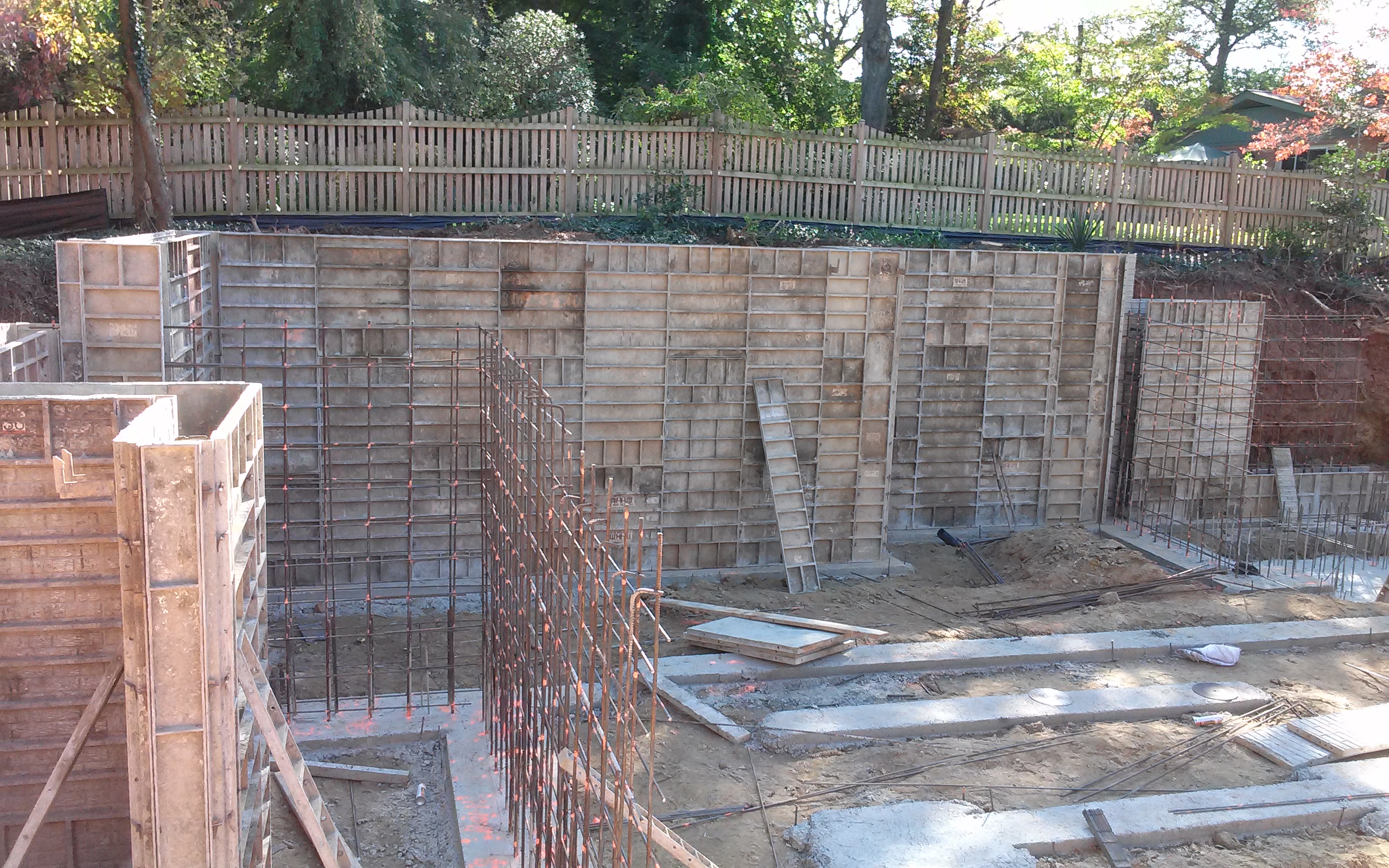
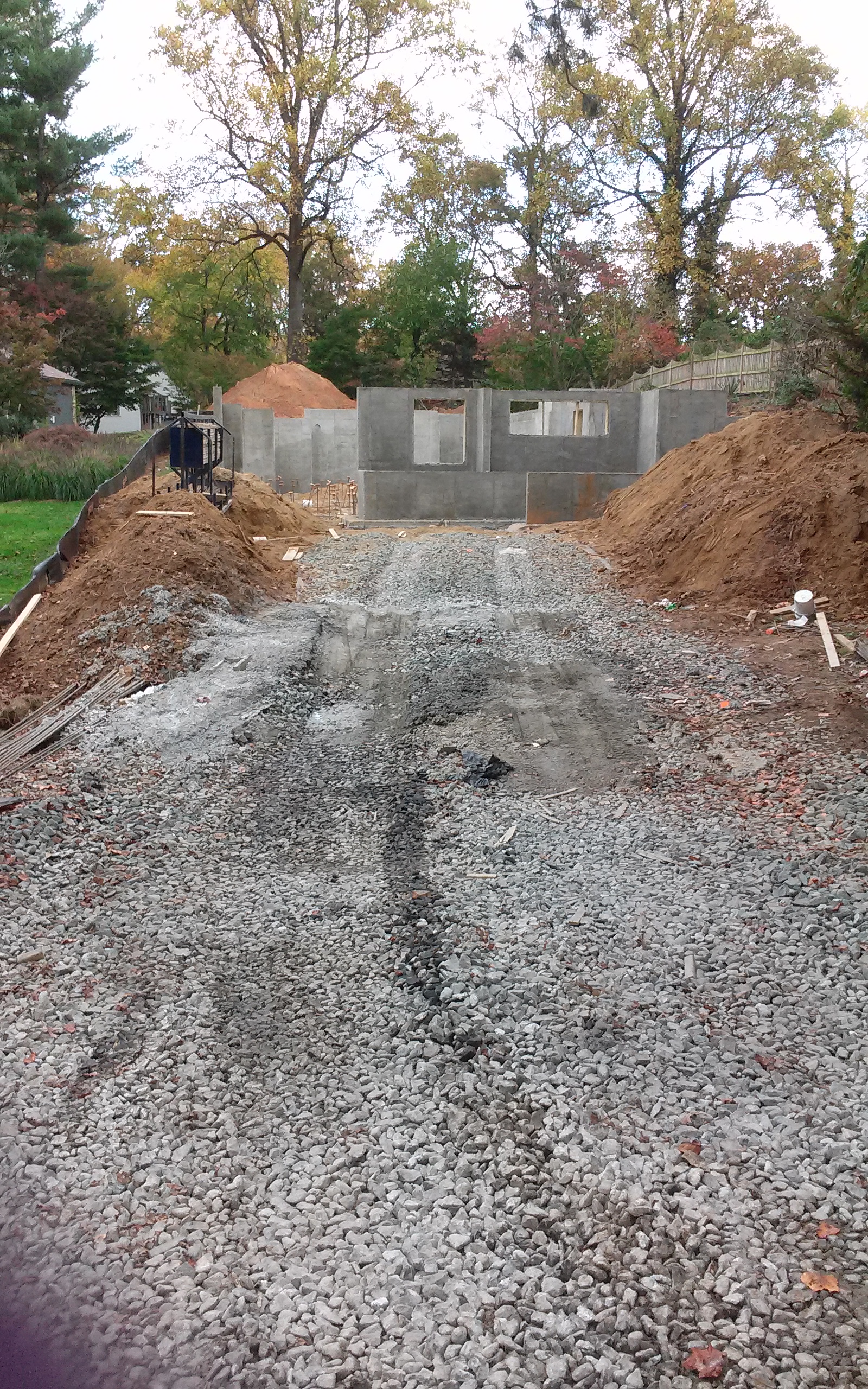
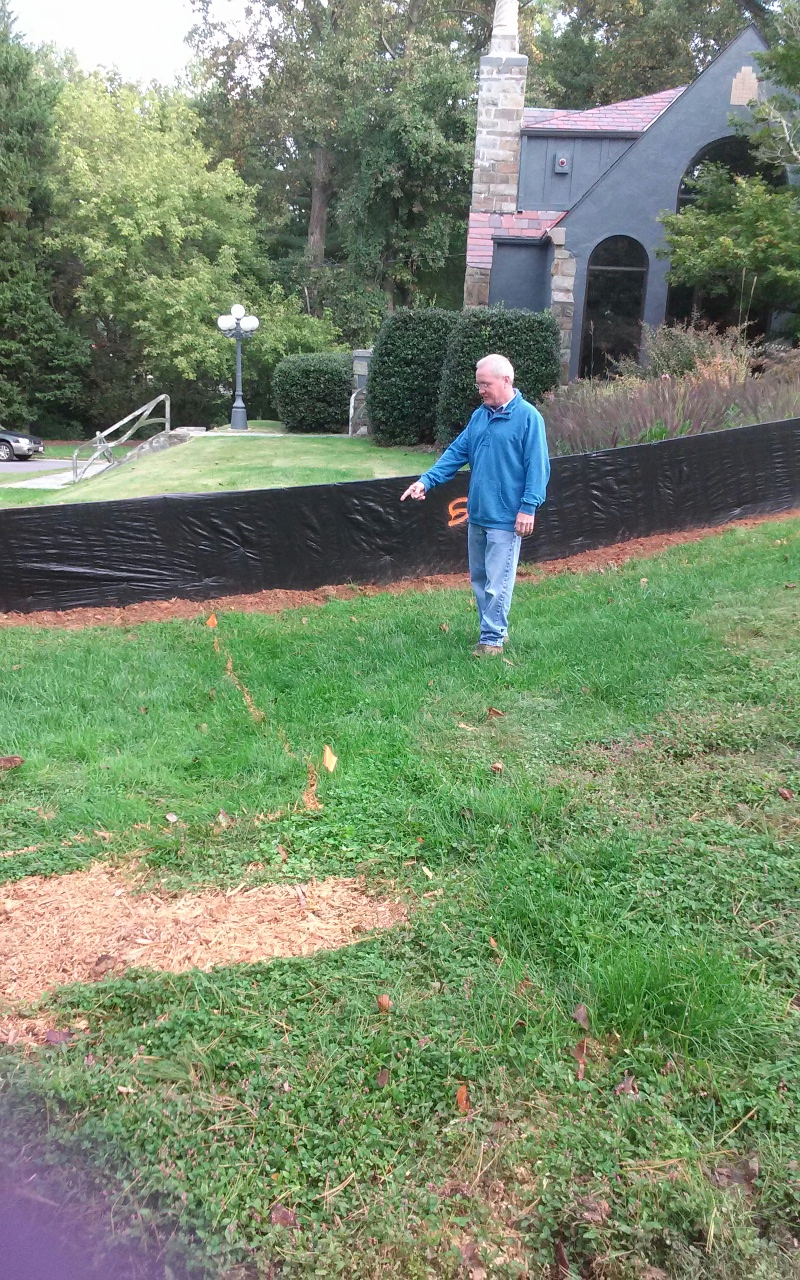
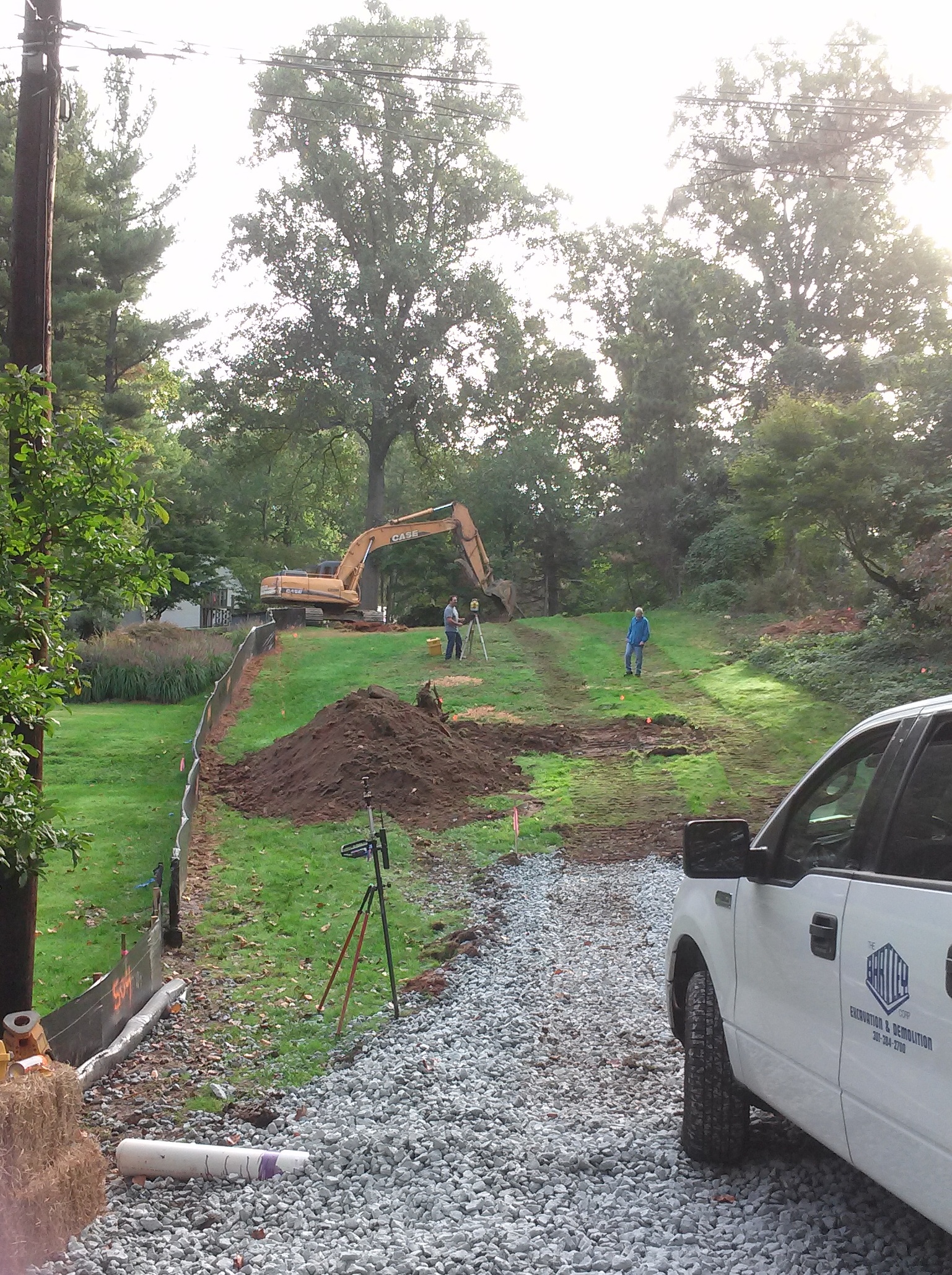
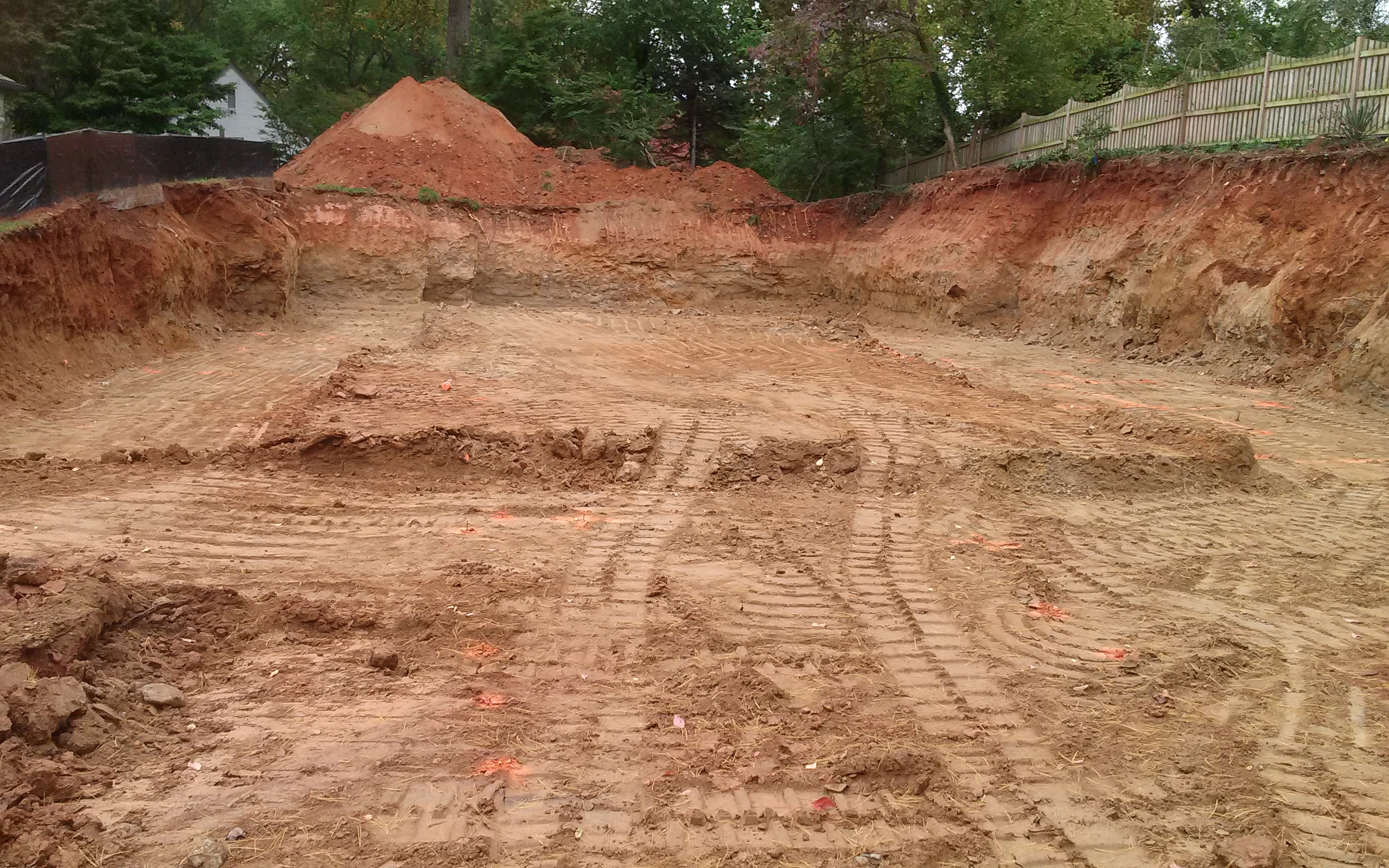
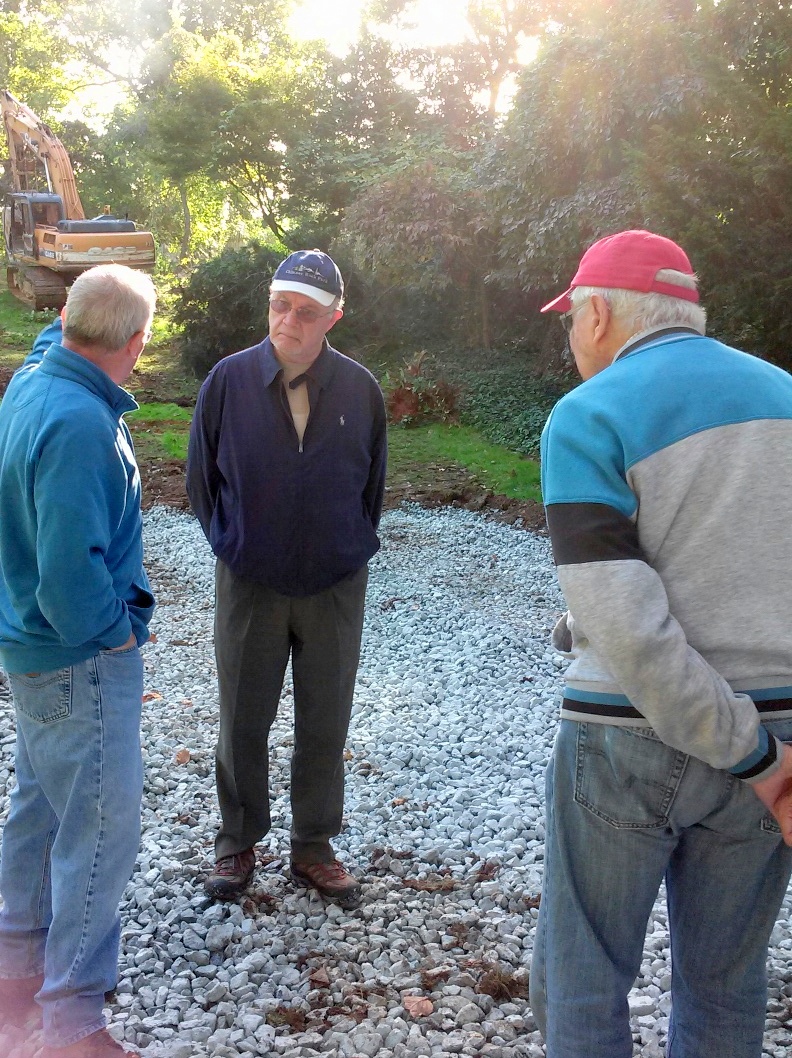
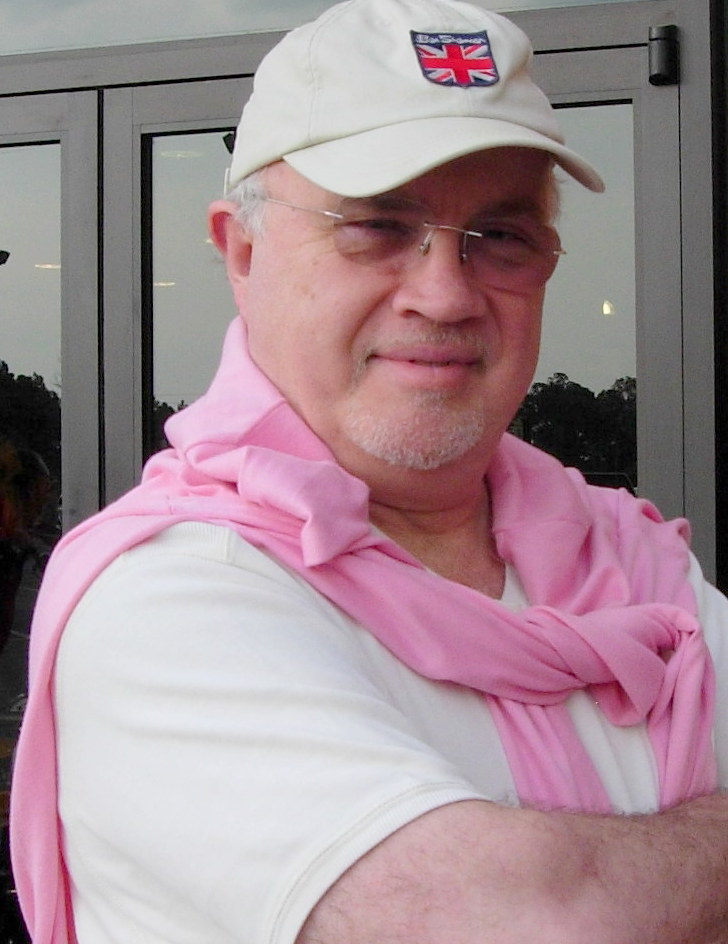
From Lynn: This week and last the contractor excavated over 60 dump trucks of dirt from the big dig! Then his crew began to form the footings and tie the rebar steel, to begin pouring concrete. Then the forms for the walls came up.
From Tad and Lynn: After 8 years, it finally begins! This morning we broke ground for the new house.
The site rises up 10 ft from driveway to the back fence, so a lot of dirt needs to get moved. Unfortunately, a few more smaller trees and shrubs needed to be removed this AM to allow the builders room to operated. We will replant in the Spring.
If the weather permits, excavation will be completed in one week.
Then onto the foundation!
From Tad and Lynn: We celebrate the shift from traditional brick buildings to contemporary architecture in Silver Spring! The once sleepy downtown landscape is transforming, spearheaded by the amazing labs of United Therapeutics, designed by Schick Goldstein Architects and Ewing Cole. The labs on Spring Street are geometric, exciting, and futuristic–emblematic of UT! Our new house is tucked into a lovely shaded residential street, but only 6 blocks away from these great buildings, so we feel like we fit into the new aesthetic.
The new Silver Spring Civic Center, is geometric, clean lines, mixed materials and glass and has been embraced by the public and the outdoor plaza hosts events, music and the Saturday farmers market.
For another contemporary landmark in our city, see the new plan for the Silver Spring Library under construction, designed by the Lukmire Partnership.
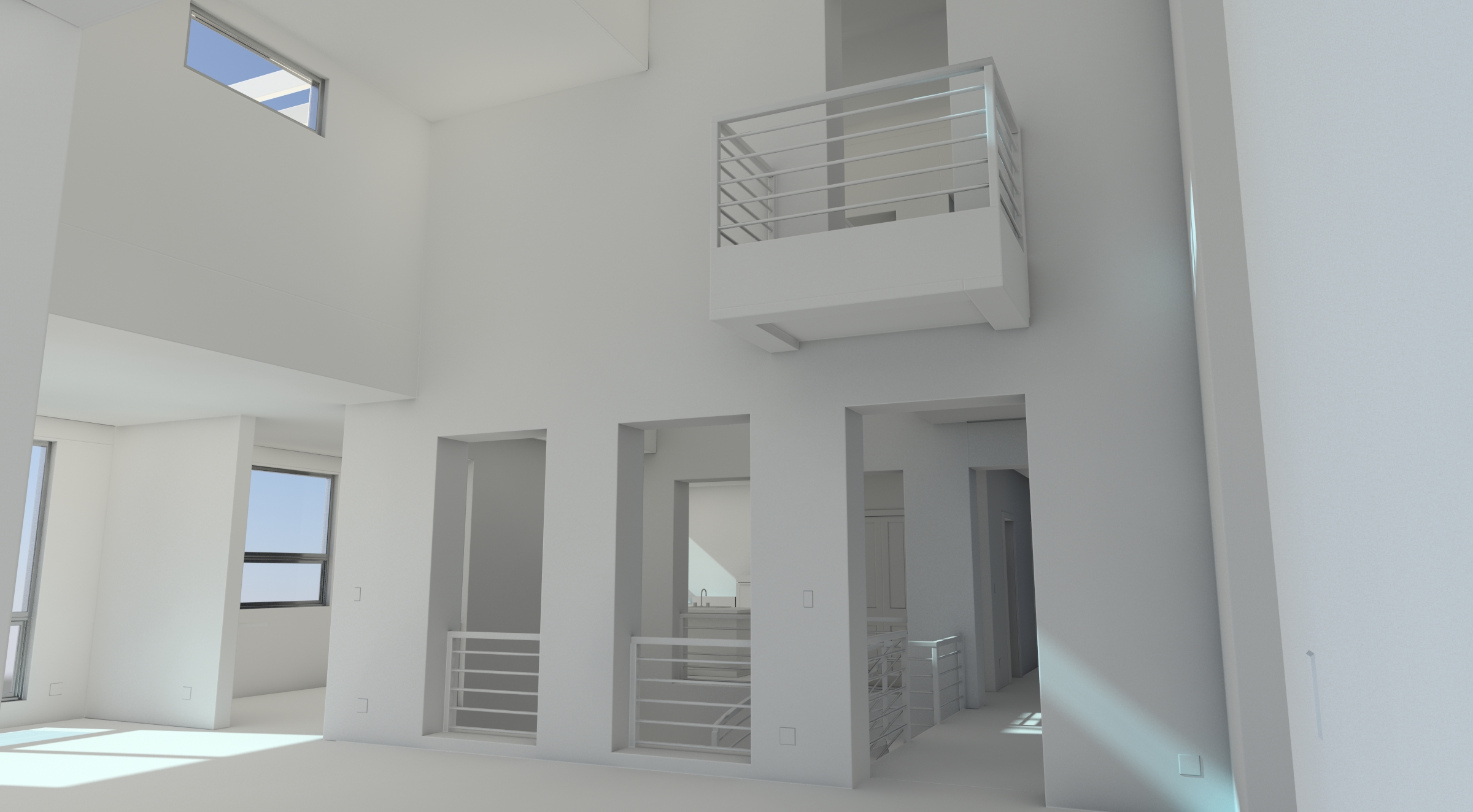
The new design is here, see the set by clicking this link: Grodzki’s Residence-Revised Full Set 2-28-15
________________________________________________________________
Meet our contractor: Andrew Deshler of Classic Craftsmen, Inc.
Contact info:adeshler@mac.com
15200 Redgate Drive, Silver Spring, MD 20905
Cell – (301) 523-5524 / 0ffice – (301) 879-2000 / Fax – (301) 879-3000
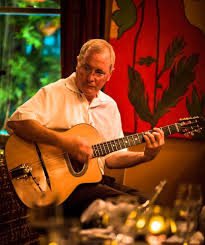
Andrew is a Renaissance man — experienced builder, wine connoisseur and jazz musician.
________________________________________________________________
Environmental Design: Leading with LEED
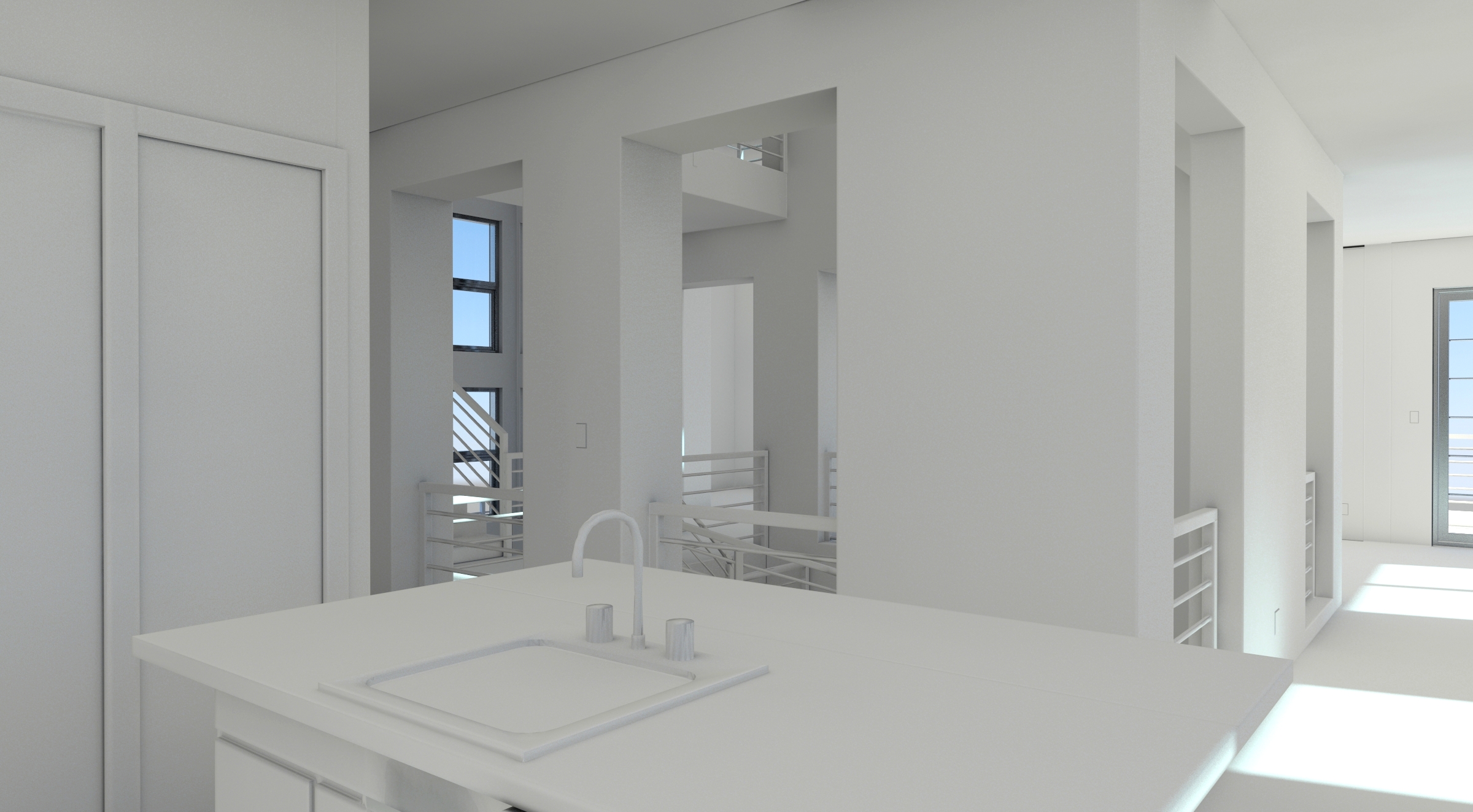
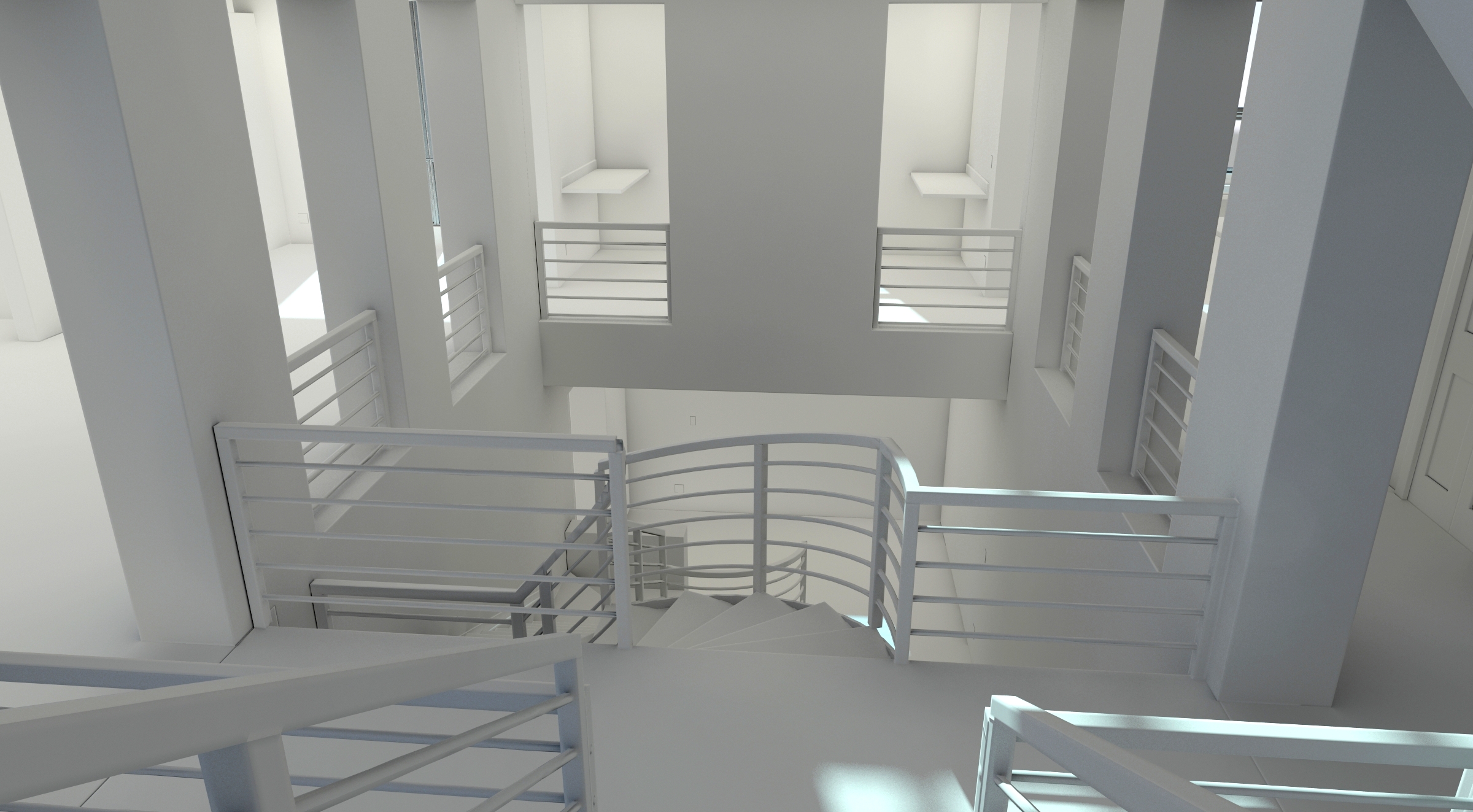
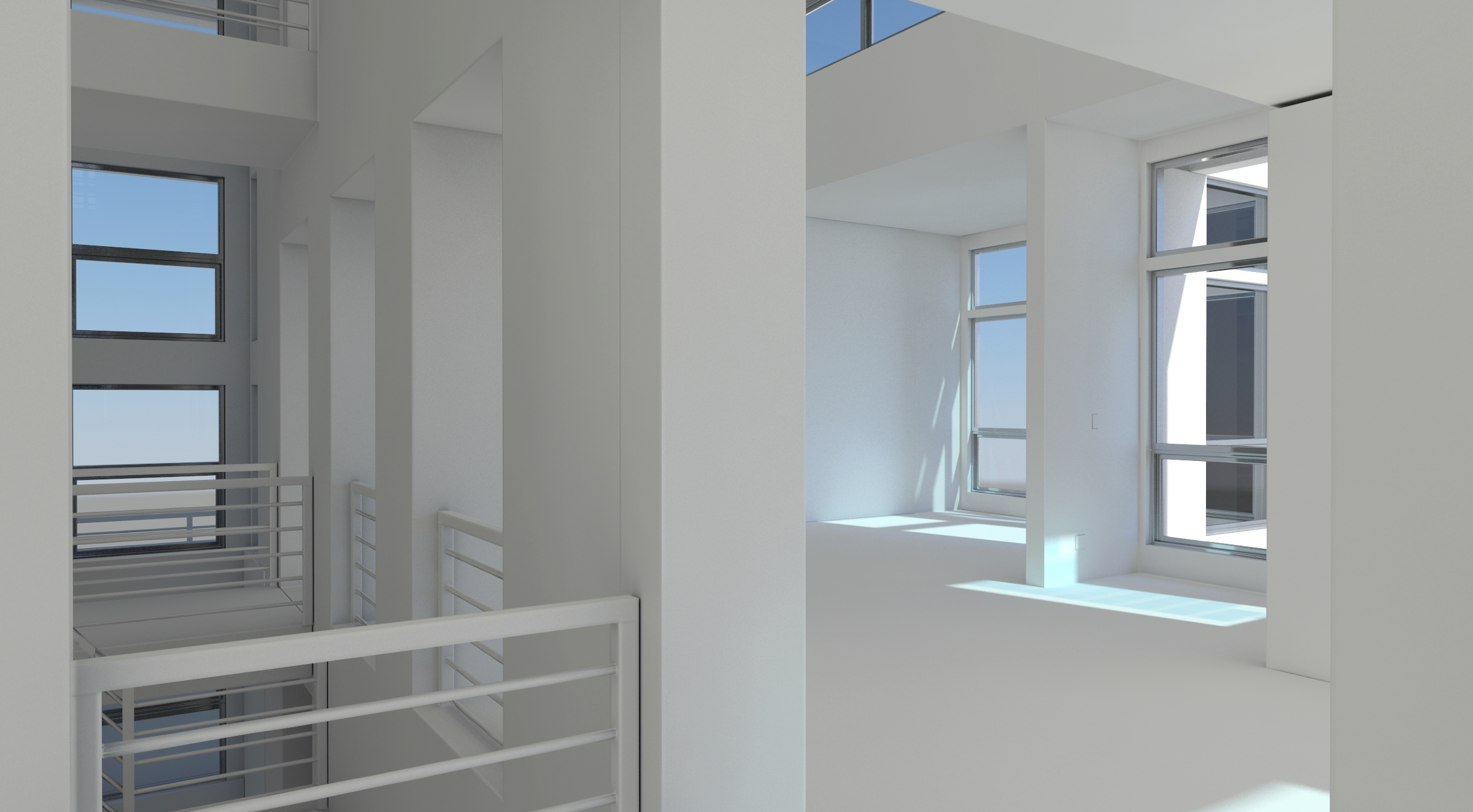
From Tad: In the process of designing this house I have tried to maximize interesting circulation layouts, natural ventilation systems, high insulation values, and natural lighting methods that mirror good and green design principles.
I follow, as much as possible, the main goals set by LEED (Leadership in Energy and Environmental Design.) LEED guidelines provide buildings with a framework for implementing measurable green building design, construction, and solutions. And I have attempted to make ease of use for aging users and visitors an element of major concern, without going the official route of LEED certification.
After a recent course in LEED methods, I find that, unfortunately, the LEED process seems to have become a source of obstacles, based on the cumbersome LEED certification testing, expense and time demands.
I do believe that architecture needs clear energy and materials conservation requirements and energy conservation goals and LEED clearly points to a better way to design.
From Lynn and Tad: How you feel about contemporary design may be a bit of a rorschach test: Some of us are only able to see the beauty of traditional house design, while others thrill to modern aesthetics.
Traditional residential architecture is often familiar and nostalgic. Many people love the use of Victorian detail or colonial columns or large front door pediments, because they are details that they understand and represent a look back in time to earlier tastes of what is pleasing.
We fall into the modern camp. We love all styles of good architecture, but have a special appreciation of contemporary art and buildings. Perhaps it is because we both studied design. Tad, of course, has an Architectural degree and Lynn has an undergraduate degree from American University in Design. As such, we have always loved contemporary expressions of design and marveled at homes and buildings that express the best of what is new and innovative.
Our current home, designed by noted architect Charles Goodman, that we have lived in for over 20 years, was modern for its day in the 1960’s with big vertical windows and a lack of traditional ornamentation. Tad’s design for our Silver Spring dream house is also modern for today with lots of light, openness, and innovative engineering ideas. But like most good contemporary design, he has tried to make sure that the house still reflects the traditional neighborhood and the setting in which it will exist. The house, on a narrow lot, preserves trees on the south side and is set back on the lot with a long driveway, so it does not block the views of the park of its nearest neighbors.
The side nearest to Lynn’s father’s house has additional architectural details rather than a solid wall, with a lot of transparency of windows and balconies, again to offer an interesting view of what is sometimes an uninspiring facade of a neighboring house: the side wall.
The modern design of the house respects the narrow lot by having a small footprint from street side, front-on viewing. Only by standing at the end of the dead-end street, in Lynn’s father’s driveway, can one see the full extent of its long length and true size. This minimal street view but longer side is a wonderful advantage of a contemporary design, the ability to try new shapes and formats to blend in with the lot and surroundings.
The exterior materials the house uses are a mix of old and new: stone, wood, glass and drivet (acrylic stucco.) The stone we hope to use gives a nod to the broad use of fieldstone stone throughout the suburban Silver Spring area.
Some say that contemporary design looks too contemporary; they feel that a neighborhood should look of one piece, with home styles that mirror or even mimic each other. They say that new home construction should respect the aesthetic that already exists and wish we would change the look of this house to a more traditional, historic and familiar design.
But we hope that by introducing a careful use of a modern aesthetic, we can enliven our traditional neighborhood. With time, we think, a contemporary home can become a touchstone and unique design for a wooded, private residential street and be appreciated and enjoyed by all.
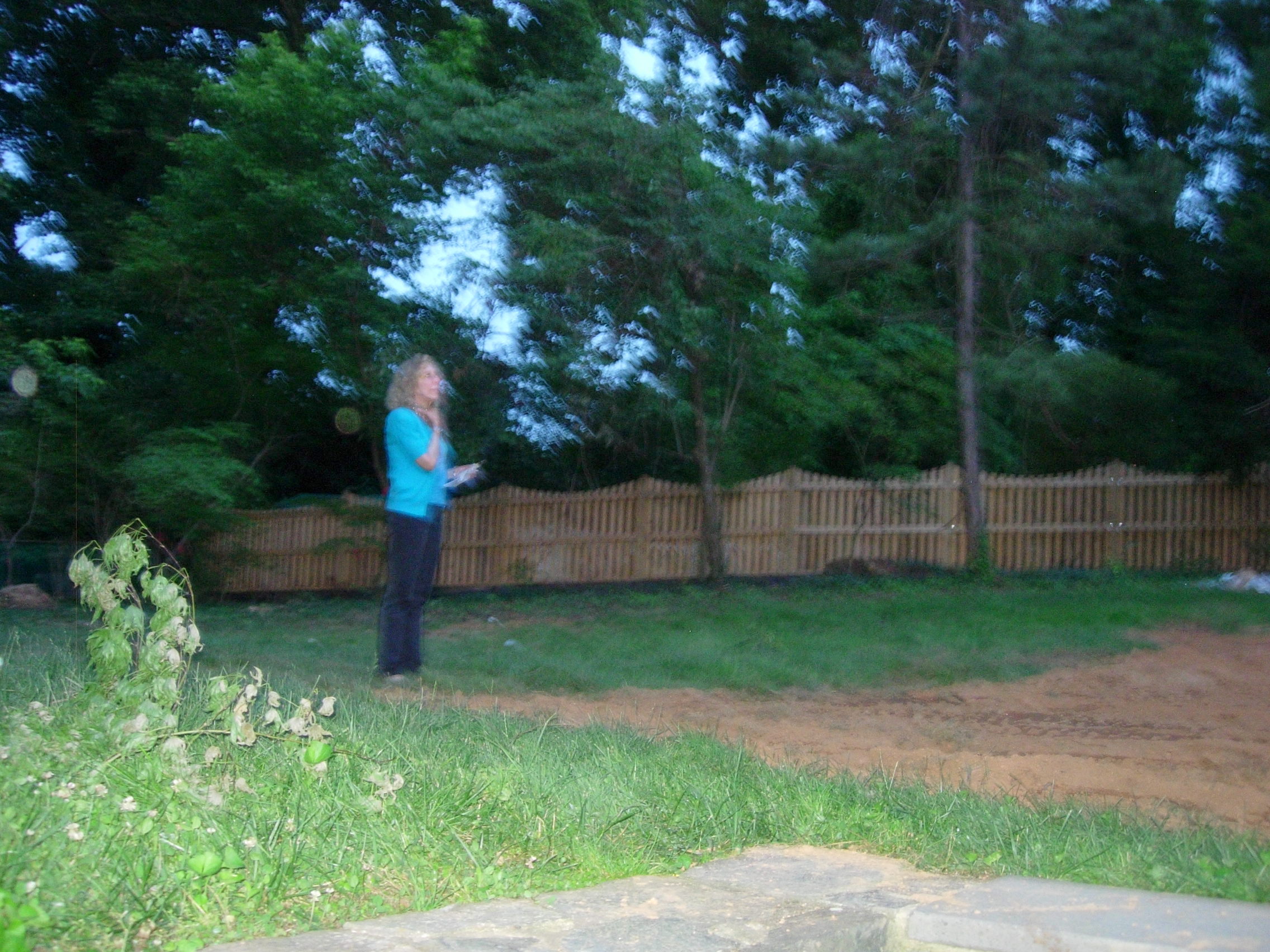
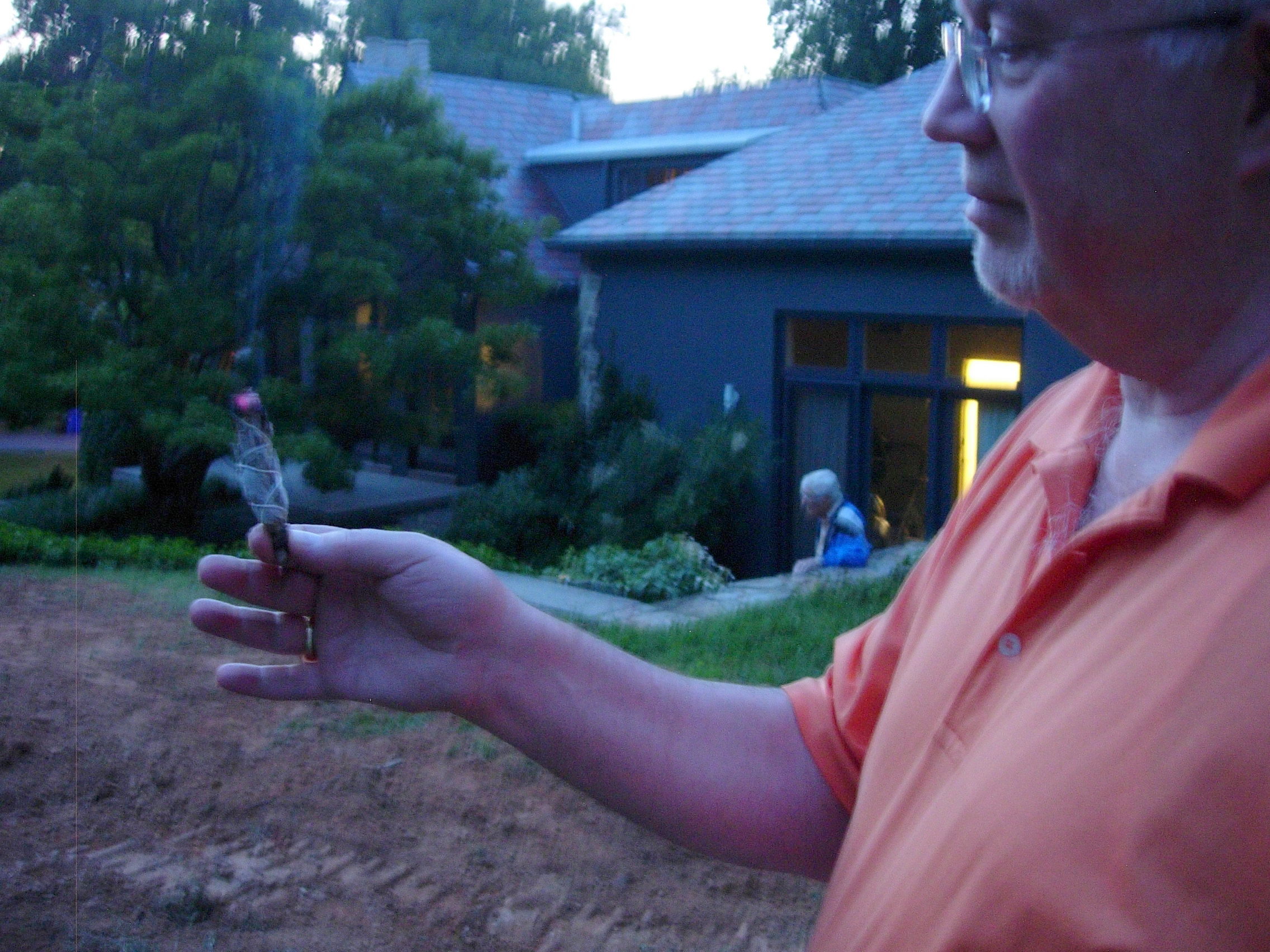
From Lynn: Last night, at moonrise, we “smudged” the property that is now cleared of trees and brush. Using scent and scented smoke in rites of purification, whether through smudging (the process of using a smudge stick) or burning incense, is common in many traditional cultures around the world.
Our process was led by Lynn’s sister Dale Asrael, an Acharya (senior meditation teacher) from Shambhala Mountain Center and Naropa University, and Fred Jaben, her honey and former Director of the Denver Shambhala Center who were visiting. At Lynn’s request, they kindly offered to conduct a Tibetan chant to bless and clear the property.
We circled the perimeter of the property 3 times holding smudge sticks (smoking clusters of sage) and Dale and Fred used an ancient Tibetan invocation to ward off bad energy and evil spirits. Then we stood at where the front door will be and set intentions for safety during the build, and a vision of beauty, good health, prosperity and love inside the new house. Lots of joy and laughter followed as we sat outside with Lynn’s Dad, Stan, to watch the moon, the fireflies, and think about next steps to follow.
From Tad: In the 60’s, power was cheap, there was little regard for insulation in the walls; the idea of houses generating their own power was a pipe dream.
Cut to 2012: Now, with the energy crisis, even suburban houses are rethinking how to both consume and generate power. The two major sources of home generated power are geo-thermal (taking heat and cool from the earth itself) and solar power (collect sun power for heat and electricity.)
Geo-thermal won’t work for this house; we are building on rocky soil and the scale of house to open land is too tight. But natural light will work. We will also maximize the use of insulation. We will use heat and cooling zones — another example of advanced design for the suburbs. In this house, we divide heating and cooling zones, and have two zones per floor. For example, on the lower level, we will use highly-rated, split-system, conventional heating and cooling system. We are also building with an eye for installing solar panels in the future.
From Tad: The interior of this dream house brings the outdoors inside. I designed large interior planters, large enough to hold a ficus tree and going up three stories high, next to the atrium. This provides the house with greenery and air cleansing. In a recent trip to NYC, we went to the Orchid Show at the Botanical Gardens and saw Patrick Blanc’s vertical gardens. See his designs below. Viewing beauty in nature, indoors, is an inspiration.
http://www.verticalgardenpatrickblanc.com/
____________
From Tad: Every architect dreams of designing, building and living in his own home. This year, I get to live my dream.
My wife, Lynn, and I were fortunate — thanks to her parents, in 2007 we bought the narrow, hillside lot adjoining their house. Close to downtown Silver Spring, on a quiet cul-de-sac of large lots, overlooking Sligo Creek Park, the location (304 Ellsworth Drive) is quiet, wooded and well, just fabulous.
I began designing with abandon! But it was not to be. The first design stayed a fantasy: the recession hit my profession and we realized that building a new home would not be possible.
So we waited and we waited. We spent time renovating our current, lovely Silver Spring house, (a 1960’s Charles Goodman home.) But while I waited, I began new sketches. Last year, we re-thought about building and I began yet again to redesign for a scaled down, more compact version. The spirit of the house is the same, lots of light, views of the greenery, living up in the trees, respecting the limitations of the lot and the needs of its residents. But this version is narrower, with the length of the house hidden from the street. It’s easier to build, and reflects our thoughts about how we want to age in place (home elevator, more balconies, open plan.)
We are both long-time residents of this city and my day job is at my own architectural firm, GranDesign Studio, Inc. in downtown Silver Spring, MD: Visit me at www.grandesignstudio.com. We hope to go for permit soon. This blog is a journey for us and one that we want all of our friends and family to enjoy with us.